I’ve noticed something about myself during periods of transition.
The more uncertain life feels, the more determined I become to keep moving. I make plans, organise, research, and think three steps ahead. Momentum offers comfort.
Only recently have I started wondering whether all that movement is really about the future. Or whether some of it is about what I’m leaving behind.
Many of us know this experience: the old life is no longer available, but the new one hasn’t fully arrived. Anthropologists refer to this as a liminal space—a threshold between what was and what is becoming, like standing in a doorway before you’ve stepped into the next room.
It’s not an easy place to stand. Most of us instinctively reach for plans, solve problems, set goals, and search for certainty, hoping the discomfort will settle once we know what comes next.
Sometimes that movement is exactly what we need. It helps us take the first step into a new chapter.
Other times, I wonder if all that urgency is asking something else of us.
Not to move faster.
But to pause long enough to notice what we might be moving away from.
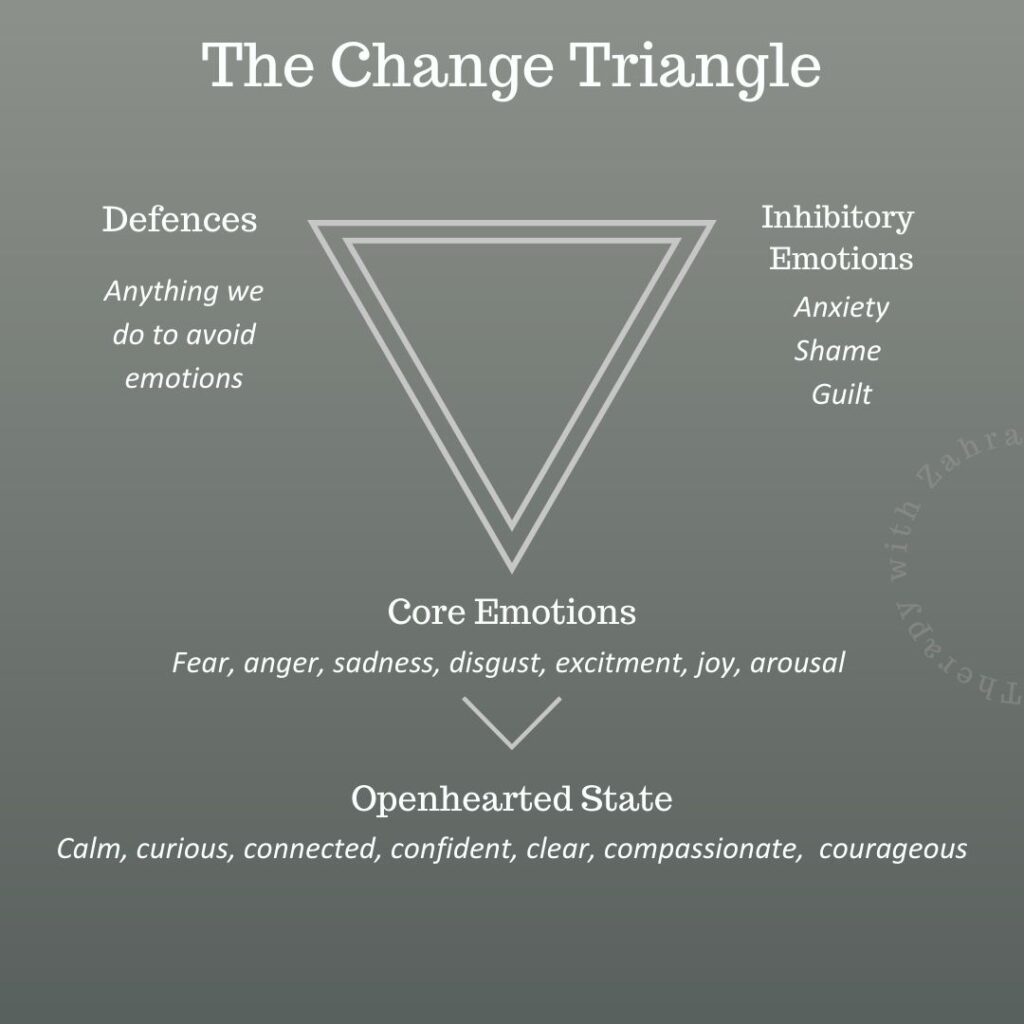
And so, I sat with one of my favorite questions from Tara Brach: When my thoughts are racing, and my body is tight, what am I unwilling to feel?
And what emerged was grief.
Transitions, even when chosen, almost always involve loss, yet we rarely talk about that part. We become so focused on what comes next that we forget to acknowledge what has been left behind: familiar routines, relationships, communities, places we called home, dreams, or a sense of identity.
We spend so much energy preparing for the next chapter that we rarely make space to say goodbye to what made us who we are. I wonder if that is part of why transitions can feel so unsettling.
We expect ourselves to be excited, grateful, and hopeful. We tell ourselves that because we chose the change, we shouldn’t miss what came before. Yet missing what was doesn’t mean we’re moving backwards.
Grief is often evidence that something mattered.
Part of navigating a threshold is allowing ourselves to pause long enough to acknowledge what we’re losing, not just what we’re gaining. Not so that we stay there, but so that we can move forward without pretending the loss never happened.
As I sat with the grief instead of trying to organise my way out of it, something unexpected came to mind: My hiking experiences.
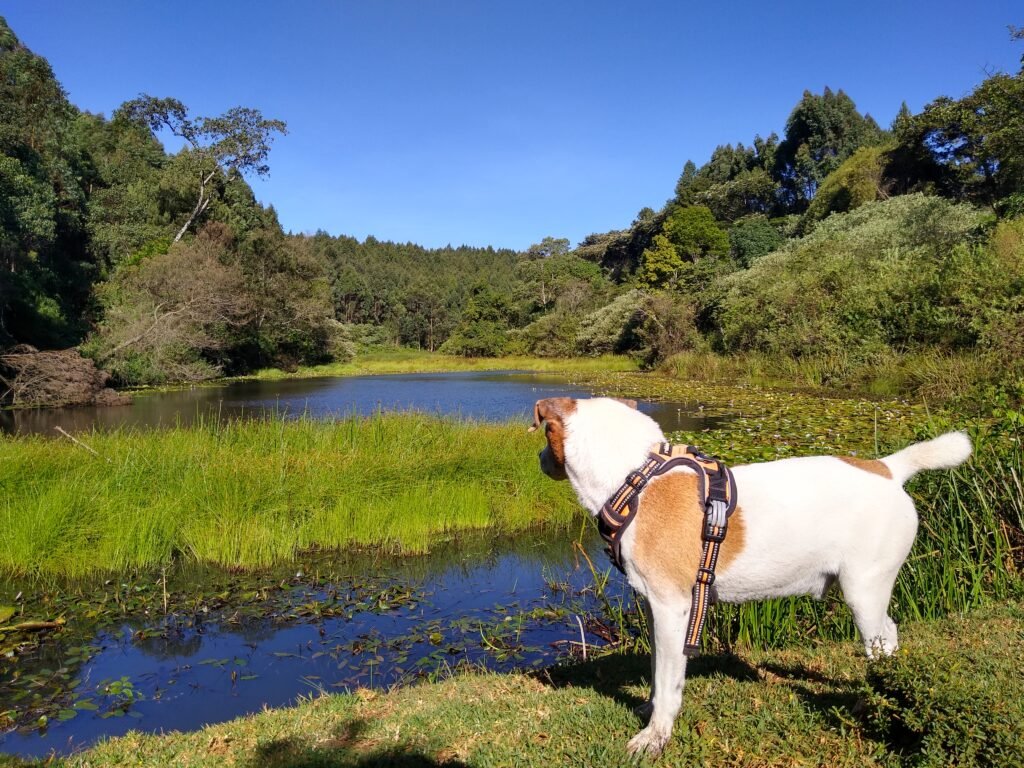
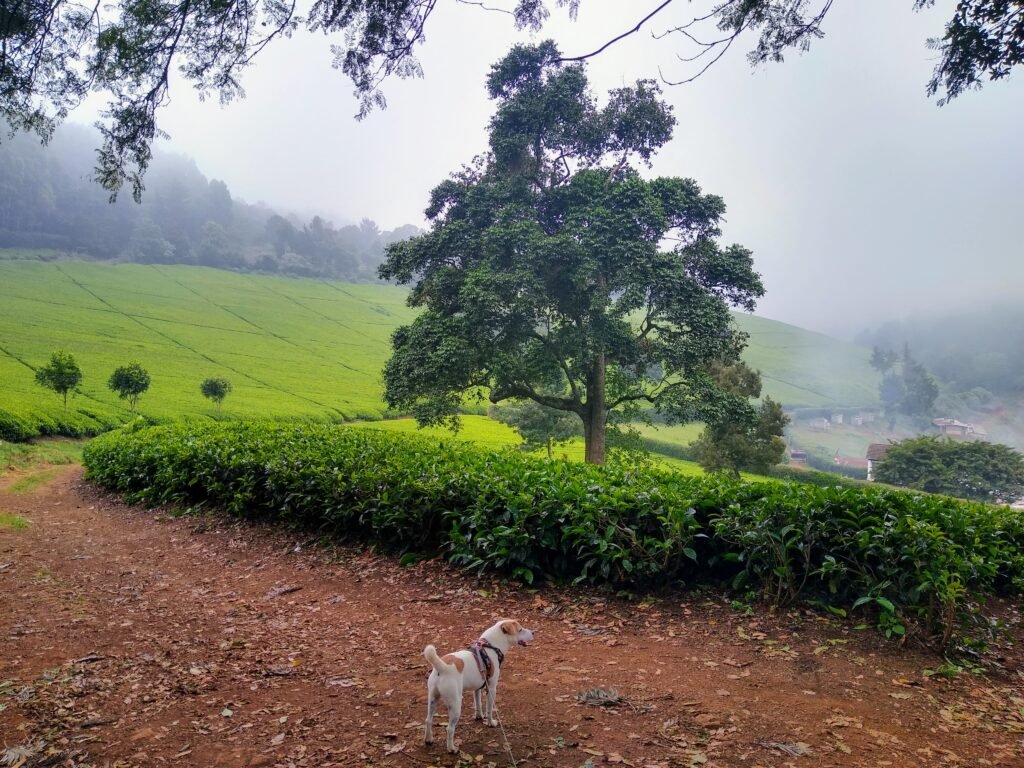
Some of my favourite moments happen on trails I’ve never walked before.
There’s a moment on every unfamiliar trail when you’ve left the path you know and have no idea what waits around the next corner. The trail disappears into the trees, climbs unexpectedly, or bends out of sight.
Oddly, I meet those moments with curiosity.
They slow me down.
They remind me to look around instead of rushing ahead.
I trust that the trail will reveal itself one step at a time.
Through this reflection, I realise that hiking has been teaching me something all along: I already know what it feels like to meet uncertainty with curiosity instead of urgency.
I know how to pause.
I know how to orient myself.
I know how to take the next step without seeing the entire path.
I had simply forgotten.
I wonder if we all carry moments like these. Experiences that remind us: You’ve been here before. You didn’t know what was ahead then either, and somehow you found your way.
Nature has been reminding me of something I keep forgetting in the rest of my life.
Not every unknown is a threat.
Some are invitations.
Being in between can feel disorienting. It can bring anxiety, sadness, impatience, and longing. It can make us question ourselves and wonder when things will finally feel settled again.
It can also be a place where our old identities loosen their grip and something new begins to take shape, even if we can’t see it yet.
And perhaps the invitation is not to rush through it.
Perhaps it is to stand in the doorway for a little while.
To honour what has been.
And to trust that, much like a trail, the path reveals itself one step at a time.
Until next time,
Z