ego state therapy
What is ego state therapy?
Ego State Therapy is a collaborative, paced approach that works with different parts-of-self to understand inner dynamics and reduce inner conflict.
It can be especially helpful when there is a sense of stuckness shaped by self-criticism, avoidance, self-sabotage, or competing needs within the self. It may also support work with anxiety, depression, anger, shame, trust and attachment difficulties, and trauma-related patterns.
How it can Support trauma therapy
Ego State Therapy can be especially useful alongside EMDR Therapy. In more complex presentations, protective parts-of-self may interrupt trauma processing when the work feels too fast, overwhelming, or unsafe.
At times, parts-of-self may not be ready for trauma processing, may not fully understand its purpose, or may experience it as another form of intrusion. Ego State Therapy helps address these obstacles by increasing internal cooperation, readiness, and stabilisation, allowing trauma work to proceed more carefully.
What this work involves
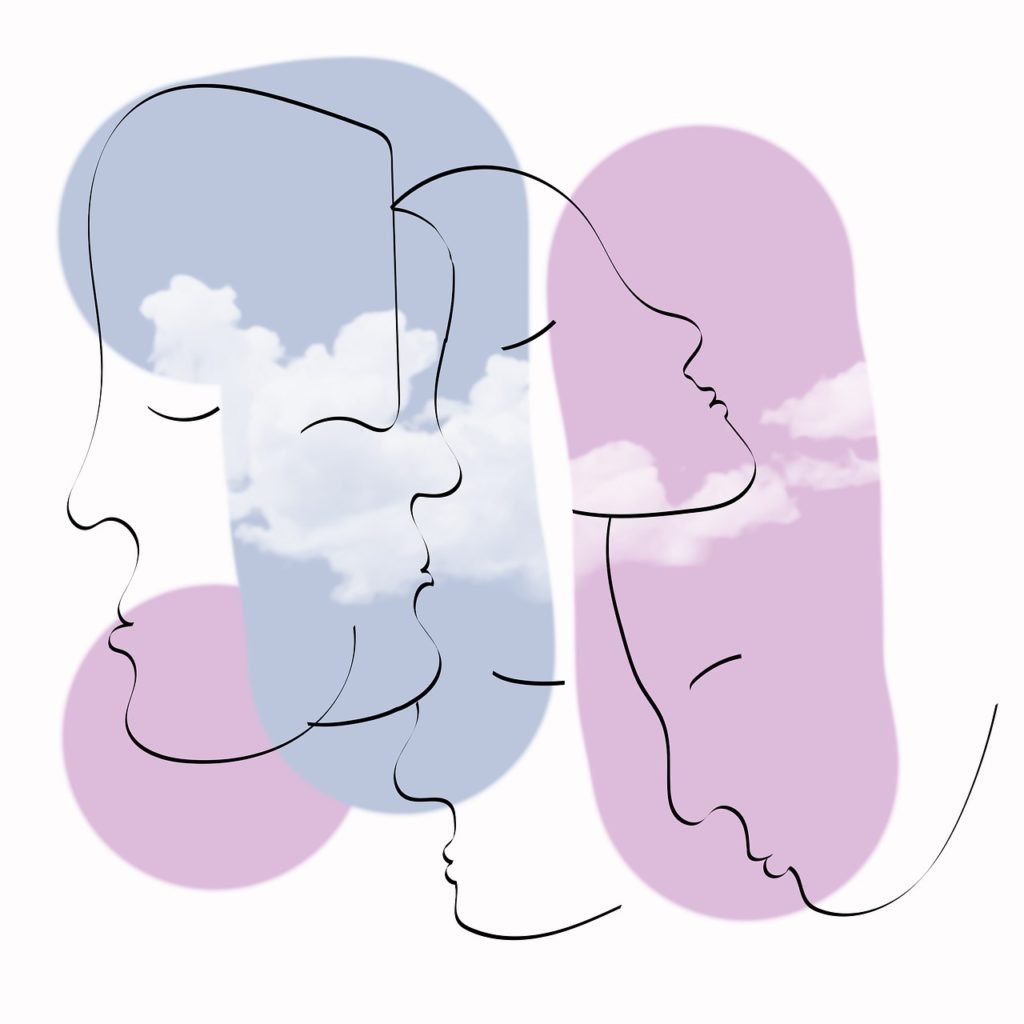
In sessions, the work may involve identifying which parts-of-self are active, understanding their protective role, and making space for their concerns.
Rather than forcing parts-of-self to change, this approach works with them respectfully. Over time, parts may begin to take on less extreme roles as they respond more to present-day reality than to past threat.
Parts-of-self are not eliminated. They are understood, negotiated with, and gradually integrated as the work progresses.
A common way of organising this work is through structured imagery, sometimes called an inner conference room or Dissociative Table, which can help bring inner dynamics into clearer focus.

who this approach can help
Ego State Therapy can be useful for people who notice different sides of themselves, conflicting inner reactions, or shifts in how they feel, think, or respond under stress. It can also support people whose coping includes more pronounced dissociation.
In this framework, distancing from parts of experience is understood as a protective response. When that distancing becomes a primary way of coping, it can begin to affect continuity, self-understanding, and day-to-day functioning.
What supports this work
This approach relies on pacing, containment, and clear closure. Sessions aim to support regulation while also helping difficult material feel more manageable.
When needed, sessions may end with disturbing material intentionally set aside until it can be returned to safely. The aim is to support continuity between sessions while deeper integration and reprocessing unfold over time.